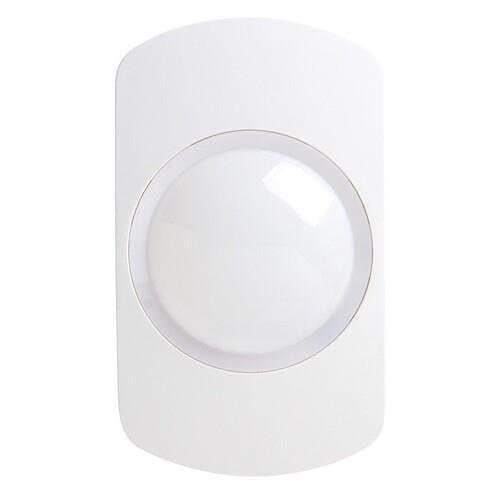

Product Description
The Texecom Exodus FT64 is a heat detector that triggers an alarm once the surrounding air hits 64°C — it doesn't react to smoke at all. That makes it the right choice for rooms where smoke detectors cause nuisance alarms: kitchens, garages and dusty environments are the three examples Texecom names for this unit.
How it wires in
It runs on 12V four-wire configuration with a built-in alarm relay, so it connects directly to a conventional fire or intruder alarm control panel rather than needing a separate interface module. Before buying, check your panel supports 4-wire conventional detectors on the zone you intend to use.
Why fixed-temperature rather than smoke
Detection is microprocessor-controlled, using digital thermal algorithms aimed at cutting false alarms compared with simpler heat sensors. The unit is EN54-5 compliant, which is the European standard specifically covering heat detectors for fire systems — worth checking if your installation needs to meet a formal fire standard.
Commissioning
A built-in alarm simulation test button lets you trigger a test signal without heat, useful when commissioning the zone or doing periodic maintenance checks — no need to warm the sensor to confirm it's wired correctly.
This is part of the wider Texecom Exodus range of heat and smoke detectors built to integrate with security alarm systems in homes and small commercial premises.
Specifications
- Brand
- Texecom
Technical Specifications
Frequently Asked Questions
Why use a heat detector instead of a smoke detector in a kitchen?
Smoke detectors can trigger false alarms from cooking fumes; the FT64 only activates once the air reaches 64°C, avoiding that problem.
How does the FT64 connect to my alarm panel?
It uses a 12V four-wire configuration with a built-in alarm relay, wiring directly into a conventional fire or intruder alarm control panel.
Is the FT64 suitable for a formal fire alarm installation?
It's EN54-5 compliant, the European standard covering heat detectors, so it's built for professional fire detection applications.
How do I test the detector without heating it up?
It has a built-in alarm simulation test button for commissioning and routine testing.